A buyer called us in the middle of writing an offer on a unit at 236 Fifth, worried her lender would balk the moment underwriting saw the word Aloft attached to the deed. She had read enough forum threads to know that condos wired into hotel operations can get labeled non-warrantable and shoved into expensive portfolio loans. It's a reasonable fear. It's also the wrong one for this building, and the right fear is currently more relevant than it was a month ago.
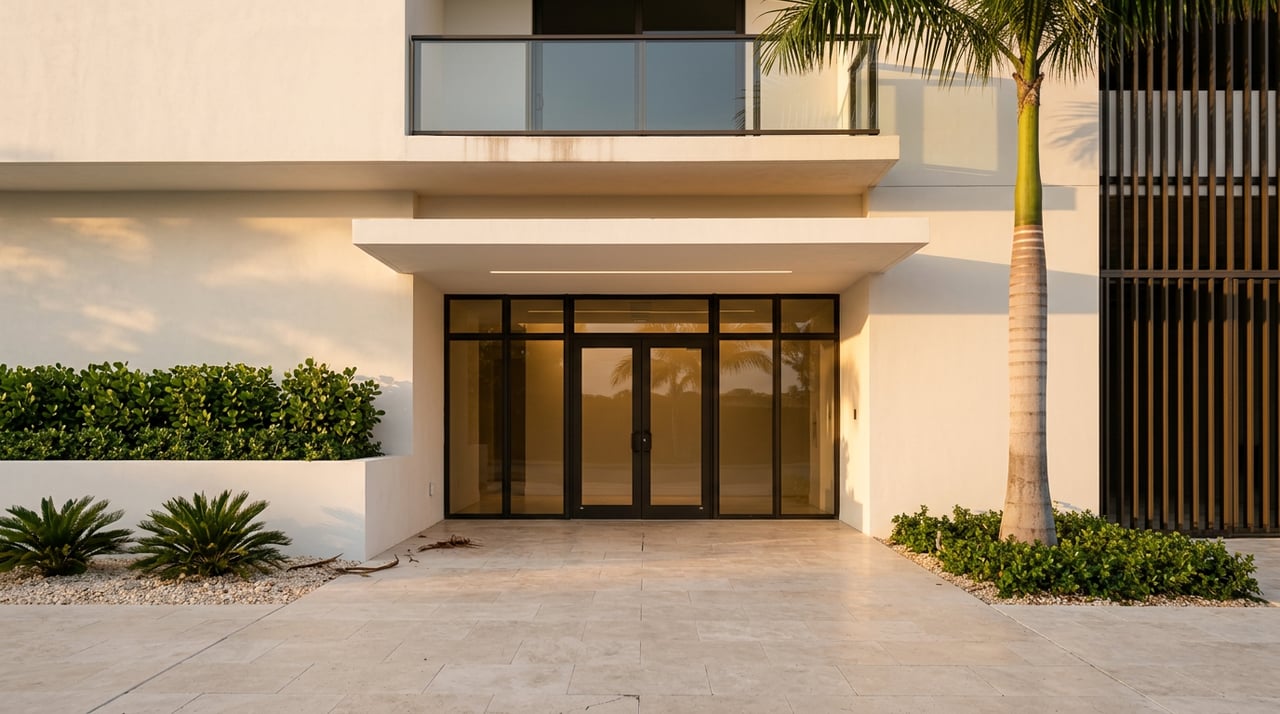
Here's the distinction that actually matters. 236 Fifth is a 35-unit condominium built alongside a 122-room Aloft hotel in Delray's SofA district, and the building's own public materials describe the hotel as operating as its own independent entity, not affiliated with the condominium itself. You are buying a residence, not a share of a hotel revenue program. That single fact separates 236 Fifth from a true condotel in the eyes of a lender.
What A Condotel Actually Looks Like, And Why 236 Fifth Isn't One
Lenders flag a project as a condotel when it shows a specific cluster of features: a front desk that checks guests in and out, daily maid service built into the ownership structure, and a rental-pool program where owners share revenue with a hotel operator. Those characteristics make the property read more like a commercial hospitality asset than a residential one, and conventional financing through Fannie Mae or Freddie Mac generally won't touch it.
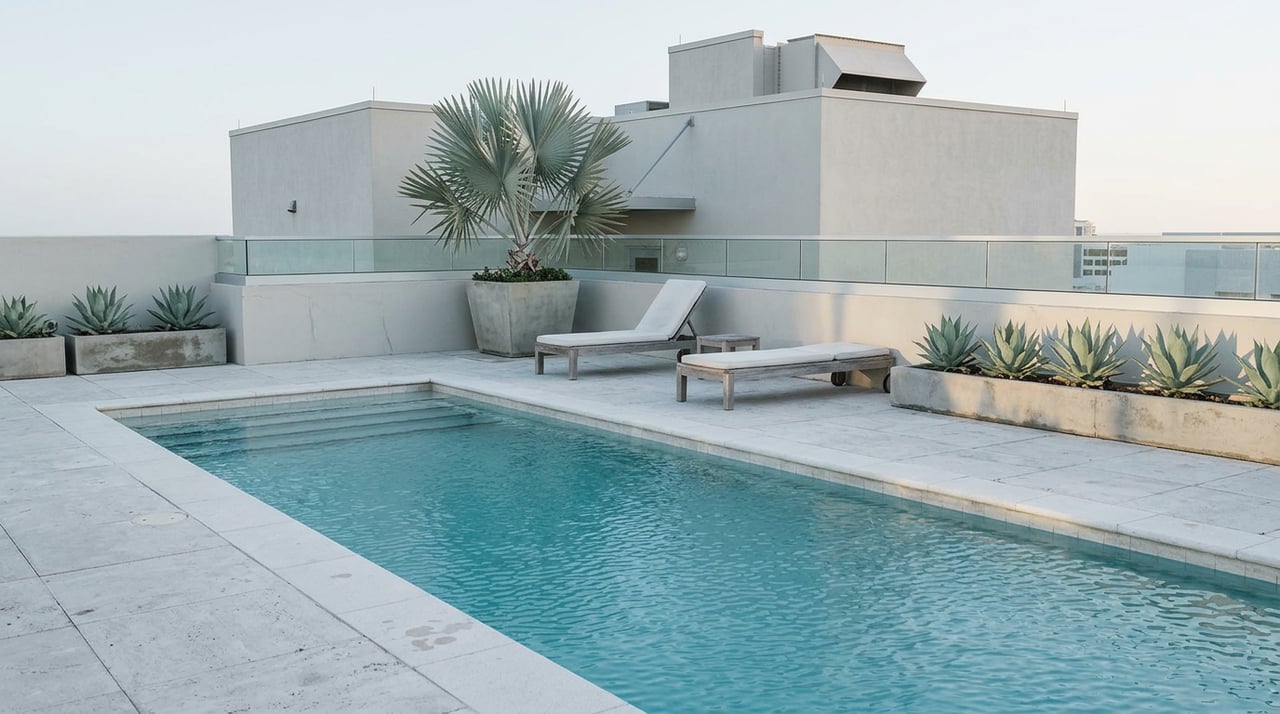
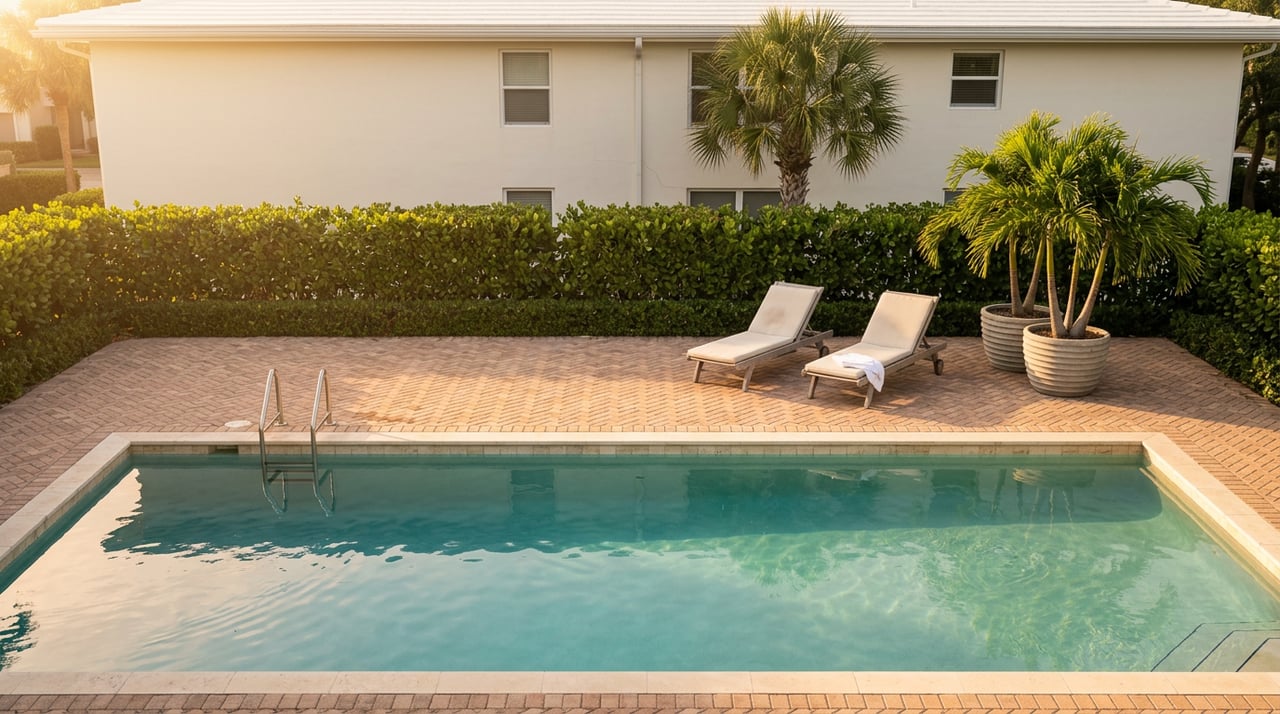
236 Fifth's residents get access to the Aloft's pool, gym, and hospitality services as a shared amenity arrangement, the kind of thing you'd also find at a full-service condo building with its own staff. There is no indication in the building's public materials of a rental-pool revenue split with the hotel operator or a mandatory rental program tied to ownership. That's the piece worth remembering if you're comparing this address to condo-hotel towers elsewhere in South Florida: the amenity access looks similar from the outside, but the ownership structure underneath it is different.
So the condotel fear, specifically, doesn't hold up here. Good news for the buyer on the phone. It's also not the whole story.
The Rule That Changed On August 3, 2026
Four weeks before this article, Fannie Mae and Freddie Mac retired the streamlined and limited review processes that let lenders approve a lot of condo loans without digging deeply into the condo association's own finances. Every conventional mortgage now goes through a Full Project Review of the HOA's budget, reserves, insurance, and owner-occupancy mix, unless the project qualifies for a waiver.
That waiver is where the math turns against a building like 236 Fifth. The waiver applies to projects of ten units or fewer. 236 Fifth has 35 residences. That means any buyer financing a unit here through a conventional loan is now walking into a Full Project Review, not because of anything to do with the Aloft, but purely because of unit count.
Here's what that changes in practice, compared to how condo financing worked before August 3:
| Before August 3, 2026 | After August 3, 2026 | |
|---|---|---|
| Review type for most conventional loans | Streamlined or limited review, minimal HOA document scrutiny | Full Project Review required unless project qualifies for waiver |
| Waiver eligibility | Broader range of smaller projects | Projects of 10 units or fewer |
| 236 Fifth's status | Could often clear a lighter review | Falls outside the waiver at 35 units, subject to Full Review |
| What the lender examines | Buyer's file primarily | HOA budget, reserves, insurance, litigation, occupancy mix, plus buyer's file |
What A Full Review Actually Pulls Apart
A Full Review means your lender is going to ask the 236 Fifth association for documentation it may not have had to produce for every past sale: current budget, reserve study, insurance declarations, and confirmation of the owner-occupancy mix. If any of that takes time to gather, your closing timeline stretches with it. This is worth raising with the HOA management company before you go under contract, not after.
Reserve funding is the other half of this, and it's a rule that's easy to conflate with a different one. Florida's structural safety law requires condo and co-op buildings three stories or taller to reach full reserve funding once they hit 30 years of age, or 25 years in coastal jurisdictions that have adopted the earlier trigger. That's an age-based rule tied to structural integrity studies, and it doesn't apply to 236 Fifth yet, more on that below.
The rule that does apply right now sits on the lending side, not the state safety side. For loans going through Full Review, Fannie Mae and Freddie Mac are raising the minimum reserve-funding threshold from 10 percent to 15 percent of the association's annual budgeted income, phasing in for applicable loans beginning January 4, 2027. If 236 Fifth's HOA, which has run around $1,000 a month as of 2025, needs to lift its reserve contribution to meet that 15 percent floor, that's a number a buyer should ask about directly rather than assume.
The condotel label was never the real obstacle here. The unit count crossing the ten-unit waiver line is.
The Risk You Can Actually Cross Off The List
Now for the part of this that should make a 236 Fifth buyer feel better rather than worse. Florida's milestone inspection law, the structural safety statute passed after the Surfside collapse, requires buildings three stories or taller to complete their first inspection at 30 years of age, or 25 years if a coastal jurisdiction has adopted the earlier trigger, based on the certificate of occupancy date. That inspection cycle, and the reserve-study requirement that rides alongside it, is what's currently creating headaches and special assessments at older coastal buildings across Palm Beach County.
236 Fifth was completed in 2018 and 2019. Even under the accelerated 25-year coastal trigger, that inspection wouldn't come due until the mid-2040s. Under the standard 30-year trigger, it's further out still. If you're comparing 236 Fifth against a 1980s-era building down the street that's staring down a milestone inspection and a possible special assessment this decade, that's a genuine point of difference, and it has nothing to do with the Aloft next door. It's simply a young building.
What To Actually Do Before You Write The Offer
If you're circling a unit at 236 Fifth, the useful move isn't asking your lender whether the building counts as a condotel. It's asking two more specific questions. First, confirm your lender is treating this as a Full Project Review under the post-August 3 rules and find out how far along the HOA is on providing the documents that review requires. Second, ask the HOA directly what its current reserve-funding percentage is against the coming 15 percent threshold, since that number affects both your financing timeline and, potentially, your monthly dues down the road.
Neither question requires a real estate attorney or an engineer to answer. Both are things your lender or the HOA management company can tell you within days, and both are the actual friction points in a 236 Fifth transaction right now, not the hotel branding that tends to get all the attention.
Frequently Asked Questions
Does living next to the Aloft affect my ability to get a conventional loan? Not directly. The features that typically disqualify a condo for conventional financing, front desk check-in built into ownership, mandatory daily maid service, and rental-pool revenue sharing with a hotel operator, aren't part of how 236 Fifth's public materials describe the ownership structure. The Aloft operates independently.
Why does the unit count matter so much? Because the post-August 2026 Fannie Mae and Freddie Mac rules only waive the Full Project Review for projects of ten units or fewer. At 35 units, 236 Fifth doesn't qualify for that waiver, so every conventional buyer here goes through the deeper review regardless of the building's condition.
Will 236 Fifth face a milestone inspection soon? No. The building was completed in 2018 and 2019, decades away from even the accelerated 25-year coastal trigger under Florida's milestone inspection statute.
Buying into a boutique building like 236 Fifth means the details matter more than the headline. If you want a second set of eyes on where a specific unit stands before you write an offer, The South Ocean Group can walk through it with you. Browse Homes or Get Your Free Home Value whenever you're ready to talk specifics.