If you are thinking about waterfront living in Palm Beach, you are probably picturing more than just a view. You are thinking about morning walks near the ocean, sunset boat rides, and a home that fits the way you want to spend your time. Palm Beach can deliver that lifestyle, but the type of waterfront you choose shapes everything from your daily routine to your budget and ownership responsibilities. Let’s dive in.
Why Palm Beach Waterfront Stands Out
Palm Beach sits on a barrier island between the Atlantic Ocean and the Intracoastal Waterway, also called Lake Worth Lagoon. That setting gives you two very different waterfront experiences in one market, with the beach on one side and protected boating water on the other. According to the Town of Palm Beach coastal protection overview, the beach and dune system are a major part of the town’s coastal environment and ongoing planning.
Water is part of everyday life here. The town has two public beaches, Mid-Town Municipal Beach and Phipps Ocean Park, with year-round lifeguards noted by the Town of Palm Beach Ocean Rescue page. The area also connects easily to boating, kayaking, fishing, and waterfront dining through the lagoon, which Visit Palm Beach describes as a 20-mile estuary.
Compare Palm Beach Waterfront Types
Not all waterfront homes in Palm Beach offer the same lifestyle. Before you focus on price or square footage, it helps to understand what each setting usually means in practical terms.
Oceanfront Homes
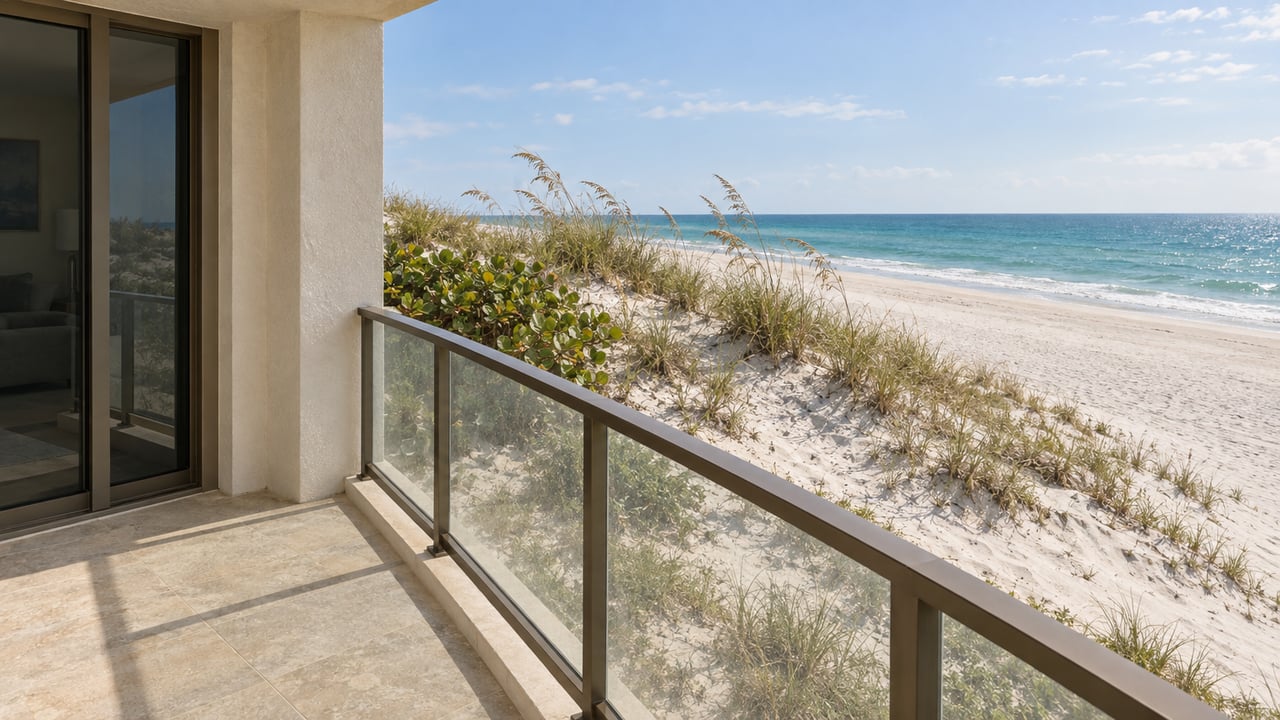
Oceanfront property is the classic Palm Beach dream. You get direct Atlantic views, immediate beach access, and a setting that feels tied closely to the shoreline. For many buyers, that is the biggest draw.
At the same time, oceanfront ownership comes with more exposure to shoreline rules, privacy considerations, and weather-related maintenance. Current examples in the research include Palm Beach oceanfront condos on South Ocean Boulevard around $2.45 million and $4.5 million, along with an oceanfront estate listed at $97.5 million.
Intracoastal and Lagoon-Front Homes
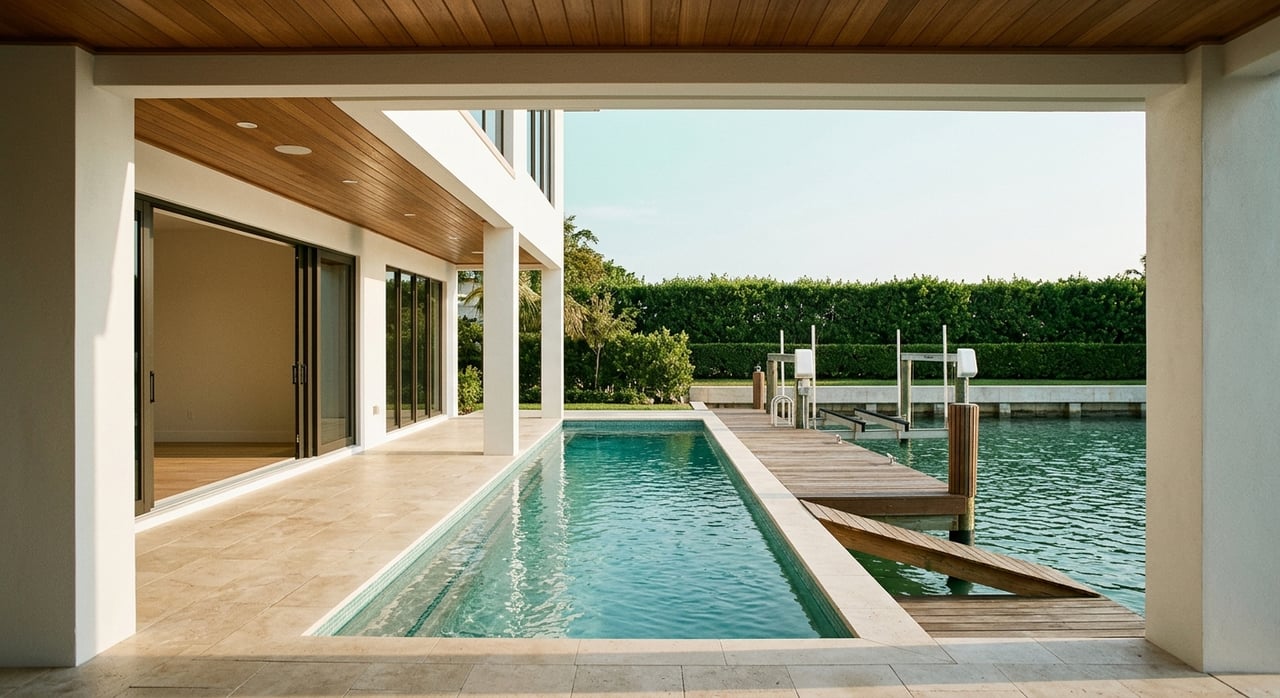
If you are more boat-first than beach-first, the Intracoastal side often gets your attention fast. These homes tend to offer calmer water, dockage opportunities, and wide sunset views across the water. The feel can be a little more sheltered while still giving you a true waterfront setting.
This category often appeals to buyers who want easier day-to-day boating access. The research report highlights a current waterfront compound on South County Road listed at $105 million with a private boat dock and 145 feet of Intracoastal frontage.
Canal-Front Options
Canal-front living is less of a core Palm Beach Island product and more common in the broader Palm Beach County search. In general, canal-front homes may trade direct beach access for calmer water and, in some areas, practical boating access. That can create a different value equation, especially if you are comparing island living with nearby markets.
The research report notes recent examples outside the island, including a West Palm Beach canal-front sale around $655,000 and a Boca Raton interior-canal estate listed at $6.95 million. If your search includes Palm Beach County beyond the island, canal-front homes may widen your options considerably.
How Lifestyle Changes by Waterfront Type
The right waterfront home depends on how you actually plan to live. A beautiful view matters, but your day-to-day use of the property matters more.
Beach-First Living
If you want to step outside and be close to the sand, oceanfront is usually the clearest fit. Palm Beach’s shoreline is a defining part of the local lifestyle, but it is also carefully managed. The town’s official bike and pedestrian network map distinguishes public and private beach access points, which is important when you compare specific properties.
Privacy can vary more than buyers expect. Even in a highly exclusive market, beach access design, neighboring homes, and visibility from nearby access points can affect how private a property feels.
Boat-First Living
If you picture keeping a boat close by and spending weekends on the water, Intracoastal or lagoon-front property may fit better. Palm Beach’s marina access and the broader boating culture around Lake Worth Lagoon make this a major part of the local appeal. You may find that sheltered water and dockage features are more important to your lifestyle than direct ocean frontage.
That said, boating in Palm Beach comes with rules. The town now prohibits extended overnight anchoring, unlawful mooring, and most liveaboard situations unless a vessel is in an approved marina, mooring field, or compliant private dock with utilities.
What Buyers Should Know About Ownership
Palm Beach waterfront ownership is not just about buying the right property. It is also about understanding the town’s rules, approval process, and ongoing maintenance expectations.
Permits and Property Changes
The town is permit-heavy compared with many other markets. According to the Town of Palm Beach FAQ on permits and related rules, most work requires a permit other than carpet, wallpaper, and interior painting. If a home is landmarked, additional approval may be required through the Landmarks Preservation Commission.
For some homes east of the Coastal Construction Control Line, buyers may also need a DEP zoning-compliance letter and a current survey showing the CCCL and bulkhead line. That means due diligence is especially important for oceanfront purchases.
Rentals and Use Rules
If you are considering a second home with rental flexibility, Palm Beach has important limits. The town states that short-term rentals, including Airbnb-style rentals, are prohibited. Long-term rentals are allowed only under the town’s rules.
This can affect your ownership strategy right away. If rental income is part of your plan, it is worth reviewing those restrictions before you narrow your search.
Seasonal Maintenance and Coastal Rules
Oceanfront ownership includes seasonal responsibilities that many out-of-area buyers do not expect at first. The town requires oceanfront lighting to be shielded from March 1 through October 31 for sea-turtle nesting. Coconut trees must also be trimmed by August 1 for hurricane season.
The same town FAQ also notes updated rules for private pedestrian beach access stairs, ladders, and ramps. In other words, access to the shoreline is valuable, but it is also highly regulated.
Storm Planning and Re-Entry
Storm preparation is part of owning waterfront property in South Florida, and Palm Beach is no exception. The Town of Palm Beach evacuation and re-entry page explains that access can be restricted by bridge roadblocks after a mandatory evacuation. Palm Beach is in Zone B, and owners may need documentation to re-enter.
Beach renourishment and dune restoration are also ongoing parts of the coastal setting. That helps protect the shoreline, but it can also mean periodic construction activity or temporary beach-access interruptions.
Palm Beach Waterfront Budget Expectations
Palm Beach is a luxury market, and waterfront pricing reflects that. According to the Realtor.com Palm Beach market overview, the town’s median listing price is $2.995 million, with median days on market at 89. The same source classifies Palm Beach as a buyer’s market in February 2026.
Compared with the island, the broader county is more affordable. The research report cites Miami Realtors data showing a January 2026 median sale price of $700,000 for Palm Beach County single-family homes, while county townhomes and condos were around $325,000 in January 2026 and $315,000 in February 2026.
A simple way to think about waterfront budgets is this:
- Under $1 million: Mostly older canal-front or non-island options in the broader county
- About $2 million to $6 million: Many Palm Beach oceanfront condos and some Intracoastal properties
- $10 million and up: Trophy estates and landmark waterfront homes
These ranges are a practical guide, not a fixed rule. Specific pricing depends on frontage, views, dockage, building amenities, condition, and exact location.
Don’t Overlook Carrying Costs
The purchase price is only part of the conversation. Realtor.com notes that Palm Beach buyers should budget beyond the loan payment for taxes, insurance, HOA fees, and maintenance. On waterfront property, those carrying costs can be especially important.
Condos may bring significant association fees, while single-family waterfront homes may come with major maintenance and insurance considerations. A smart search looks at the full cost of ownership, not just the list price.
How to Choose the Right Waterfront Fit
If you are deciding between Palm Beach and other nearby waterfront options, it helps to start with your lifestyle priorities rather than the listing photos. Ask yourself:
- Do you want direct beach access or easier dockage?
- Will you use the property full-time, seasonally, or as a second home?
- How important are privacy, building services, and maintenance support?
- Do rental restrictions affect your plans?
- Are you comfortable with town approvals and waterfront upkeep?
The answers usually point you toward the right property type quickly. For some buyers, that means an oceanfront condo with easy lock-and-leave convenience. For others, it means an Intracoastal home with private dockage and a more boating-centered routine.
Palm Beach waterfront living can be exceptional, but it works best when your purchase matches how you actually want to spend your time. If you want guidance on comparing waterfront homes in Palm Beach, West Palm Beach, Boca Raton, Delray Beach, and nearby coastal communities, connect with The South Ocean Group for local insight and hands-on support.
FAQs
What does waterfront living in Palm Beach usually include?
- Waterfront living in Palm Beach can include oceanfront, Intracoastal, or lagoon-front homes, each with a different mix of views, access, boating convenience, privacy, and maintenance needs.
What should buyers know about Palm Beach oceanfront homes?
- Palm Beach oceanfront homes offer direct Atlantic views and beach access, but buyers should also expect more shoreline-related rules, maintenance responsibilities, and due diligence around permits and coastal regulations.
What is the difference between oceanfront and Intracoastal homes in Palm Beach?
- Oceanfront homes are typically beach-first properties focused on direct shoreline living, while Intracoastal homes are often better suited for boating, dockage, calmer water, and sunset views.
Are short-term rentals allowed in Palm Beach?
- No, the Town of Palm Beach states that short-term rentals, including Airbnb-style rentals, are prohibited, while long-term rentals are allowed only under town rules.
How expensive are waterfront homes in Palm Beach?
- Based on the research report, many Palm Beach waterfront condos fall around $2 million to $6 million, while trophy waterfront estates can exceed $10 million by a wide margin.
What extra costs come with Palm Beach waterfront ownership?
- In addition to your mortgage or purchase price, you should plan for taxes, insurance, HOA fees if applicable, and ongoing maintenance, which can be more significant for waterfront properties.