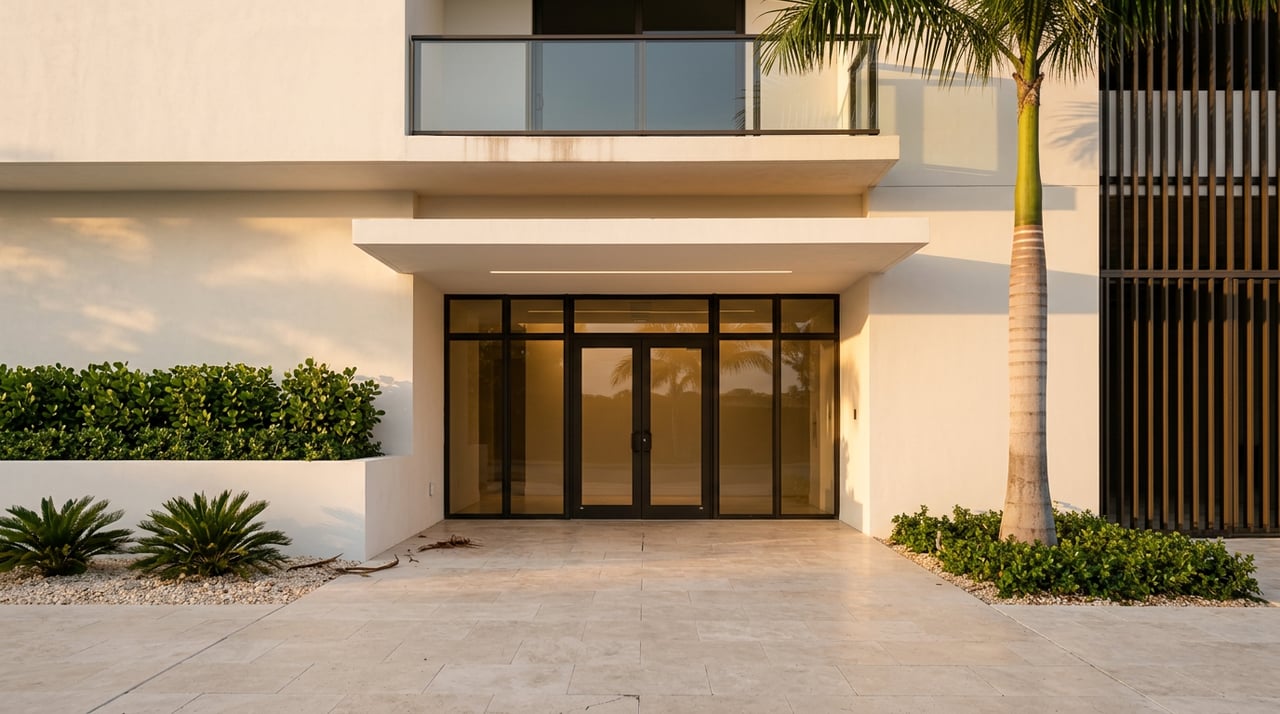
Thinking about buying at 111 First Delray and wondering how rentals work? You are not alone. Whether you are planning a second home, a long‑term rental, or exploring short‑term options, the building’s leasing rules and local regulations in Delray Beach shape your strategy and financing. In this guide, you will learn what to verify, how to get the right documents, and how those rules affect mortgages, cash flow, and timing. Let’s dive in.
What to verify at 111 First Delray
Rental rules live in the condo docs
At 111 First Delray, rental policies are set by the condominium association’s Declaration, Bylaws, and Rules. These documents override general expectations. Before you make binding commitments, you need the building’s official governing documents to confirm the exact terms for leasing.
Restrictions to confirm
Every association is different, so confirm the specifics at 111 First Delray:
- Minimum lease term and any ban on short‑term stays
- Waiting period after purchase before you can lease
- Limit on leases per year or a cap on the share of units that can be rented
- Required board approval, application steps, and screening fees
- Rules on subleasing, corporate leases, and guest occupancy
How to confirm the exact rules
Request these documents early
Ask for these items before you write an offer or during the condo doc review period:
- Declaration of Condominium and all amendments
- Bylaws and Rules and Regulations
- Official leasing policy and lease application forms
- Board or HOA meeting minutes for the past 12 to 24 months
- Association financials, reserve study, and master insurance certificate
- A rental snapshot or roster showing which units are currently leased
Ask the seller and HOA
Request redacted copies of recent leases and any recent board approvals or denials, if available. Confirm the application process and expected timelines for tenant approval. Ask for a list of all leasing fees and penalties so you can budget accurately.
Check city and county layers
In Delray Beach and Palm Beach County, municipal rules can add conditions for short‑term rentals. Confirm any city registration, occupancy limits, inspections, and county tourist tax registration if you plan shorter stays. These layers may affect viability and net income.
Understand approval timelines
Many associations require application review and background checks. In practice, plan for a 2 to 8 week window for tenant approval. Build that timeline into your closing plans so you do not leave a unit vacant longer than expected.
Why rental rules affect financing
Project approval basics
Lenders and insurers look at condo projects differently than single‑family homes. If a building allows frequent short‑term rentals or a high share of investor units, some mortgage programs may be limited or require a deeper project review. That can influence your rate, down payment, and approval timeline.
Occupancy type and terms
How you plan to use the condo matters. Primary residence, second home, and investment property classifications come with different underwriting standards. Investment loans often require larger down payments and cash reserves, and some lenders will not accept income from short‑term rentals as stable without strong documentation.
Appraisal and resale impacts
An association with strict limits can narrow the investor buyer pool, while a building with heavy rental activity can narrow options for certain loans. Both dynamics can affect pricing and future refinancing. Plan your hold period with those tradeoffs in mind.
Typical policies in Delray Beach
Minimum lease length
Common minimums are 30, 90, or 6 months. Many coastal condos in South Florida restrict rentals shorter than 30 days, and some require 90 days or more to discourage vacation‑style turnover. The minimum drives your approach to pricing, marketing, and management.
Waiting periods after purchase
Some associations require you to own and occupy for 6 to 12 months before leasing. If you planned to rent right away, a waiting period delays income and can change a lender’s view of your cash flow.
Lease frequency and caps
Buildings may limit the number of leases per year or cap the percentage of units that can be rented at one time. These limits help boards manage turnover and community wear, but they reduce flexibility if you rely on shorter lease cycles.
Board approval and applications
Expect background checks, application forms, and fees. Boards can deny applicants based on published criteria. Get the process, forms, and current fee schedule in writing so you can set proper expectations with future tenants.
Fees, taxes, and insurance to plan
- Association fees and reserves. Review monthly condo dues, current budgets, any special assessments, and reserve studies. Higher turnover can increase wear on common areas.
- Leasing fees. Budget for application, screening, lease processing, registration, and potential late or enforcement penalties. Amounts vary by community.
- Management and marketing. Long‑term rentals often use a monthly management fee plus a leasing fee. Short‑term strategies require housekeeping, guest support, and platform commissions.
- Taxes and regulatory fees. Short‑term stays can trigger tourist and transient taxes at the city or county level. For long‑term leases, normal income tax rules apply. Consult your tax advisor.
- Insurance. The master policy covers common elements. You will need an HO‑6 policy for interiors and liability, and possibly flood insurance based on FEMA flood maps. Short‑term use may require higher limits or endorsements.
- Security deposits. The association may require additional deposits or damage reserves, especially if turnover is frequent.
Investor and second‑home strategies
Due diligence checklist
Collect a full set of documents so you can make an informed decision:
- Governing documents, amendments, and current Rules and Regulations
- Leasing policy and application forms
- HOA minutes, rental roster, and any enforcement letters
- Financials, audited statements, reserve study, and insurance certificates
- Management company procedures and fee schedules
If you want short‑term rentals
Confirm that the condo’s governing documents allow short‑term stays and that Delray Beach rules permit them. Do not rely on informal tolerance. Model tourist taxes, cleaning, platform fees, and higher insurance into your pro forma. Get written confirmation from the association before you commit.
If you want long‑term or a second home
Verify minimum lease length, any owner‑occupancy requirements, and waiting periods. Consider a longer hold period if the building has rental caps or if you expect market sensitivity to investor concentrations.
Negotiation levers and compliance
Ask for seller disclosures about rental history and a warranty of compliance with HOA rules. Consider contingencies tied to leasing rights and lender project approval. After closing, use board‑approved leases and keep records of approvals, taxes remitted, and insurance certificates.
Next steps
- Get the official condo documents and any current rental policy for 111 First Delray in writing.
- Ask the HOA or management for a detailed tenant‑approval timeline and a full fee list.
- Run lender pre‑approval and confirm whether the condo requires project review.
- If short‑term rentals are central to your plan, require written confirmation from the HOA and align with city and county rules.
- Build a realistic income model that includes association fees, taxes, insurance, and vacancy.
Ready to talk strategy for 111 First Delray or nearby Delray Beach condos? Reach out to the local team that blends boutique service with national reach. Connect with The South Ocean Group to align your purchase, financing, and leasing plan with confidence.
FAQs
Can I use Airbnb or VRBO at 111 First Delray?
- Only if the condo’s governing documents and local Delray Beach rules allow short‑term rentals. Get written confirmation from the HOA and review city requirements.
Can I rent immediately after closing at 111 First Delray?
- Many associations require a waiting period of 6 to 12 months before leasing. Confirm the exact waiting period in the official condo documents.
How long does tenant approval take for 111 First Delray?
- Application timelines vary by association. Plan for 2 to 8 weeks for screening and board processing, and verify the current process with management.
Will a high share of rentals affect my loan for a unit at 111 First Delray?
- Yes. High investor concentrations or permissive short‑term policies can limit certain mortgage programs or trigger project reviews with stricter terms.
What documents should I request before buying at 111 First Delray?
- Ask for the Declaration, Bylaws, Rules, leasing policy, lease forms, HOA minutes, rental roster, association financials, reserve study, and insurance certificates.