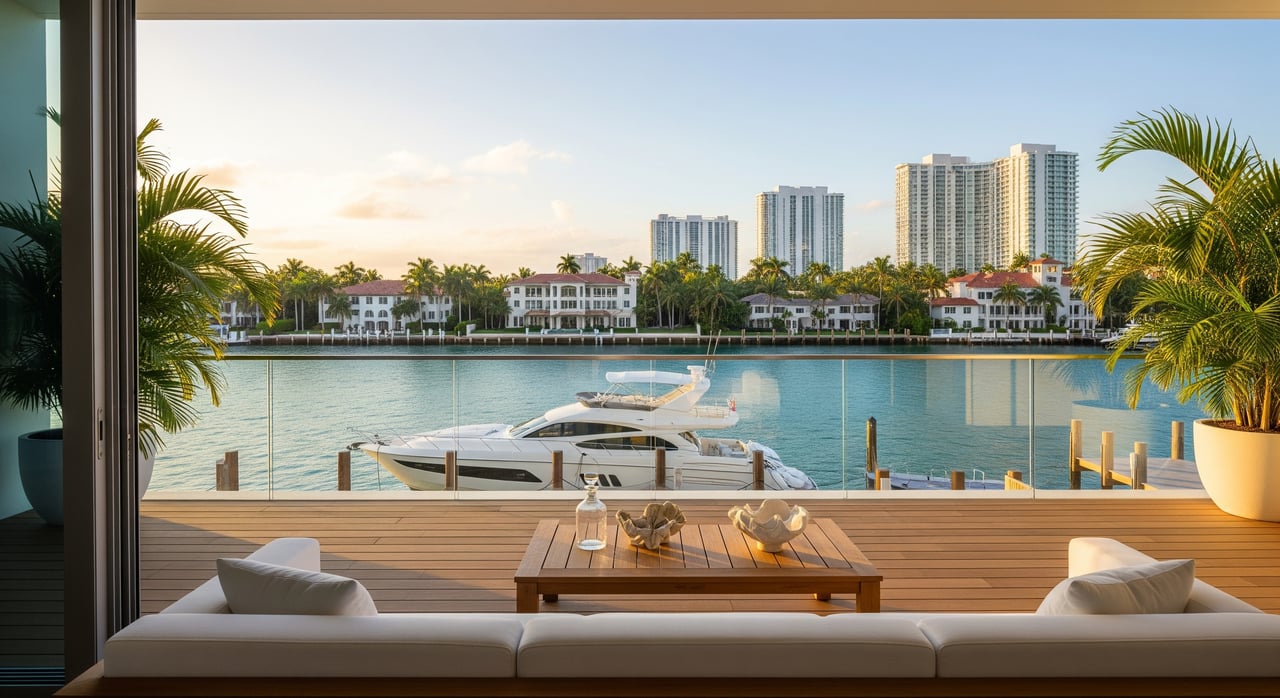
Picture yourself sipping coffee on your balcony as boats glide down the Intracoastal. If you are eyeing a waterfront condo in Boca Raton, you want the view and the lifestyle without surprises. You also want clear steps to vet slips, flood zones, insurance, and HOA finances before you commit. This guide walks you through what matters most so you can buy with confidence and enjoy the water from day one. Let’s dive in.
Know your waterfront
Oceanfront on the Atlantic
Direct oceanfront offers the biggest wow factor and premium views. It also faces the highest exposure to open‑ocean surf, storm surge, and coastal erosion. Oceanfront buildings often fall under Florida’s Coastal Construction Control Line, which comes with stricter construction and permitting standards. Expect careful attention to building elevation, windows, and shoreline protections.
Intracoastal and Boca Raton Inlet
Intracoastal Waterway condos offer boat access to the ocean with less direct wave energy than the open Atlantic. The Boca Raton Inlet enhances boating convenience for many properties nearby. Slip availability and usable water depth drive value here. Views can be broad, and proximity to marinas and waterfront dining adds lifestyle appeal.
Canals and sheltered basins
Canal locations can feel private and often feature docks or slips. These areas are generally more sheltered, though depth at mean low water can limit boat size. Maintenance can include dredging schedules or dock upkeep. Confirm rules for guest docking and any limits on engine type or hours for maintenance.
Lakes, rivers, and estuarine edges
Lakes and river edges typically see lower wave action and storm surge than oceanfront. Some low areas can still experience local flooding and saltwater influence. For boaters, access and depth matter more than the label on the waterbody. Ask about navigational constraints and any community restrictions.
What drives value
- Water type and exposure. Oceanfront usually commands the highest premium, followed by Intracoastal or inlet, then canals and lakes. Higher exposure can also mean higher maintenance and insurance costs.
- Deeded slip and water depth. A slip that conveys with the unit is rare and valuable. Usable depth at mean low water and an unobstructed route to the Intracoastal or inlet significantly increase appeal.
- Orientation and view corridor. Unobstructed views, private terraces, and southeast exposure that captures the Atlantic sunrise can add meaningful value.
- Building resilience and elevation. Impact‑rated windows, modern roofing and HVAC, and higher finished floor elevations support durability and can influence insurance costs.
- Amenities and service level. Concierge services, onsite marina features, valet slips, and well‑kept grounds add to ongoing HOA fees but also to resale desirability.
- HOA financial health. Strong reserves and recent capital improvements are positives. Thin reserves and frequent special assessments are red flags.
Boat access essentials
- Slip status. Confirm if a slip is deeded, assigned, or leased. Deeded slips typically transfer with title and add resale strength.
- Depth and boat size. Verify canal or basin depth at mean low water to ensure your boat’s draft is practical. Check any dredging history and local rules that could affect depth or access.
- HOA boating rules. Associations often set limits on boat length, engine types, liveaboards, and hours for maintenance. Also ask about guest docking rules.
- Marina versus private dock. Consider proximity to fuel, haulout, and pumpout services if the community docks are more limited.
Flood, insurance, and risk basics
- FEMA flood zones. Waterfront parcels commonly fall into AE or VE zones, with VE indicating coastal wave action. If a unit is in a mapped flood zone, lenders usually require flood insurance. An Elevation Certificate can help determine premiums and true elevation.
- NFIP and private flood. Coverage is typically available through the National Flood Insurance Program and some private carriers. Premiums vary by elevation, flood zone, and any claims history.
- Wind and hurricane coverage. In Florida, hurricane deductibles are often a percentage of insured value, not a flat amount. Understand the condo association’s master policy, what it covers, and how deductibles could be assessed to owners.
- Master policy vs unit coverage. The master policy often covers the building shell and common areas. You typically insure your unit’s interior finishes, contents, and potential loss assessments.
- Market dynamics. Florida’s insurance market has been volatile. Some owners use Citizens Property Insurance as a last resort. Request recent master policy renewals and declarations during due diligence.
- Climate trends. Southeast Florida planning shows rising sea levels, more nuisance flooding, and greater storm surge risk over time. Factor this into long‑term maintenance, insurability, and resale outlook.
Seawalls and shoreline structures
- Purpose and types. Seawalls and bulkheads protect against erosion. Materials vary, from concrete to vinyl or steel sheet piles and riprap. Salt and water exposure drive wear, so regular inspection is essential.
- Inspections and lifespan. Lifespan depends on design, load, and exposure. Obtain recent inspection or engineering reports and look for signs of scour, tie‑back issues, seepage, or corrosion.
- Who pays. In many condo communities, seawalls are common elements maintained by the association. Always confirm the allocation of costs in the CC&Rs and meeting minutes.
- Permitting. Shoreline work often requires permits with the City of Boca Raton or Palm Beach County, and may trigger state review. Oceanfront properties subject to the Coastal Construction Control Line face stricter limits.
HOA health and reserves
- Reserve studies. Seawalls, docks, and bulkheads are high‑cost, long‑lived assets. They should appear in the reserve study with clear funding plans.
- Special assessments. Ask about past or pending assessments, especially those tied to waterfront infrastructure. Recurring assessments suggest deferred maintenance or underfunded reserves.
- Maintenance routines. Look for documented schedules for seawall inspections, dock repairs, painting, and any corrosion protection.
Due diligence document checklist
Request these items early, ideally before the inspection period begins:
- Association documents: CC&Rs, bylaws, house rules, rental policy, litigation disclosures, 12 to 24 months of meeting minutes, reserve study, recent financials and operating budget.
- Insurance: master policy declarations, wind and hurricane deductible details, claim history, and the most recent insurance renewal.
- Shoreline and docks: deed language for any slip, easements, last seawall and dock inspection reports, maintenance logs, and any contracts for dredging.
- Permits and code: full permit history for docks, seawalls, and significant building work plus any open violation notices with the city or county.
- Survey and elevation: current site survey and Elevation Certificate for the building or property.
- Coastal and environmental: prior coastal engineering or geotechnical reports if available.
Inspections to order
- Marine engineer or contractor. Commission an independent seawall and dock inspection to evaluate structural integrity, tie‑backs, sheet piles, and scour.
- Building envelope and balconies. Inspect for salt‑driven corrosion, concrete spalling, and railing condition.
- Elevation and flood review. Verify finished floor elevations and consult a floodplain expert if needed.
- Interior systems. Review HVAC, plumbing, and any corrosion‑prone components given salt exposure.
- Title review for slips. Confirm whether the boat slip is deeded, licensed, or assigned, and check for easements or rights‑of‑way.
Smart questions to ask
- Is the slip deeded to the unit or controlled by the association? Are there limits on length or horsepower?
- When was the last seawall inspection, what did it find, and who pays for repairs or replacement?
- What hurricane and wind deductibles does the master policy carry, and have deductibles been assessed to owners before?
- Are any capital projects planned for seawalls, docks, or related infrastructure?
- What are the rules for guest docking, liveaboard boats, and on‑site maintenance?
- Is the property seaward of the Coastal Construction Control Line or subject to other coastal restrictions?
- What is the association’s claims history and any ongoing litigation exposure?
Financing and negotiations
- Lender requirements. Properties in high‑hazard zones or buildings with limited insurance may require higher down payments or specific loan products. Engage your lender early with all HOA and insurance documents.
- Credits and escrows. If inspections reveal near‑term seawall or dock work, consider negotiating seller credits or an escrow to address upcoming repairs.
- Title protections. Discuss title endorsements related to slip conveyance if there is any uncertainty.
A simple path to the right condo
- Define your lifestyle first. Do you prioritize ocean views, inlet access, or a quiet canal with a slip?
- Shortlist by depth and access. If you boat, narrow to communities with the draft and route your vessel needs.
- Screen HOA strength. Review reserves, meeting minutes, and insurance details to confirm financial stability.
- Verify risk and insurability. Confirm flood zone, get an Elevation Certificate, and review master and unit insurance requirements.
- Inspect what matters. Order specialized seawall, dock, and building envelope inspections. Use findings to guide negotiations.
Buying in Boca Raton puts you in the heart of a sophisticated waterfront market within the West Palm Beach–Boca Raton–Delray Beach area. With the right due diligence, you can secure the views and boating you want while protecting your investment. If you value clear guidance, responsive communication, and a boutique experience backed by global reach, you are in the right place.
Ready to explore waterfront options with a local team that pairs lifestyle expertise with disciplined due diligence? Connect with The South Ocean Group for a tailored search, vetted property insights, and white‑glove support from first showing to closing.
FAQs
Do Boca Raton waterfront condos require flood insurance?
- If a unit is in a mapped AE or VE flood zone, lenders typically require flood insurance. Even outside mandatory zones, many buyers choose coverage based on location and risk tolerance.
What is the Coastal Construction Control Line and why does it matter?
- The CCCL marks areas along the ocean where construction is more strictly regulated. Oceanfront buildings near or seaward of the line face tighter standards and permitting requirements.
How do I confirm if a boat slip conveys with the condo?
- Review the deed, association records, and survey. Slips can be deeded to the unit, licensed separately, or assigned by the HOA with transfer or rental limits.
Who is responsible for seawall repairs in a condo community?
- It depends on the CC&Rs. Many associations handle common elements like seawalls, but cost allocation varies and can involve special assessments.
Why are hurricane deductibles a big deal for condo owners?
- Florida hurricane deductibles are often a percentage of insured value. If triggered, associations can assess part of that deductible to owners based on governing documents.
Are waterfront condos harder to insure in Florida?
- They are usually more expensive to insure due to flood and wind exposure. Availability and cost depend on elevation, flood zone, mitigation features, and the building’s insurance history.
What climate and sea level trends should I consider?
- Regional studies show rising sea levels and more frequent nuisance flooding over time. This can affect maintenance needs, insurability, and future resale considerations.