Ask a Boca Raton condo owner whether their building is compliant with Florida's milestone inspection law and most will say yes, we filed. That answer feels complete. It is also the wrong question if you're heading into a listing this fall.
Filing a milestone inspection report means an engineer looked at the building and wrote down what they found. It does not mean the building fixed anything the report flagged. In a city with one of the highest concentrations of aging condominium towers in Palm Beach County, that gap between filed and fixed is where Boca Raton condo sales are starting to get interesting, and where sellers who assume paperwork equals peace of mind are getting caught off guard.
The Number Everyone Quotes, and the One That Actually Matters
The last time a large cohort of Palm Beach County condo buildings hit this deadline was 2024, and Boca Raton posted strong numbers. As of late November 2024, 52 of 55 buildings in one coastal inspection zone had filed their milestone reports, with three requesting extensions, and 37 of 42 in a second zone had done the same. Neighboring Delray Beach saw 15 of 25 buildings file by mid-November 2024, with three of those already routed into a Phase 2 structural review. Boca Raton and Highland Beach had both passed their own inspection ordinances, stricter than the state's baseline law, and it showed in the filing rate.
Here's the number that got less attention: only six buildings in Boca Raton had actually been recertified by that point, meaning they had completed whatever repairs the report called for and passed reinspection. Highland Beach, a smaller market, had 14. Filing a report and closing the loop on it are two different milestones, and the second one moved much slower than the first, by more than a year in many cases.
That distinction matters more the next time this cycle runs. Florida's Structural Integrity Reserve Study requirement now converges with milestone inspections on a December 31, 2026 deadline for buildings whose inspection falls due in that window, and the Department of Business and Professional Regulation confirms associations can complete both studies together by that date. A large number of Boca Raton buildings from the 1970s through 1990s construction boom are aging into that window right now. If the last cycle is any guide, plenty of them will file on time and still be sitting with open repair items when a listing goes live.
Why Boca Raton's Rules Are Stricter Than the State's
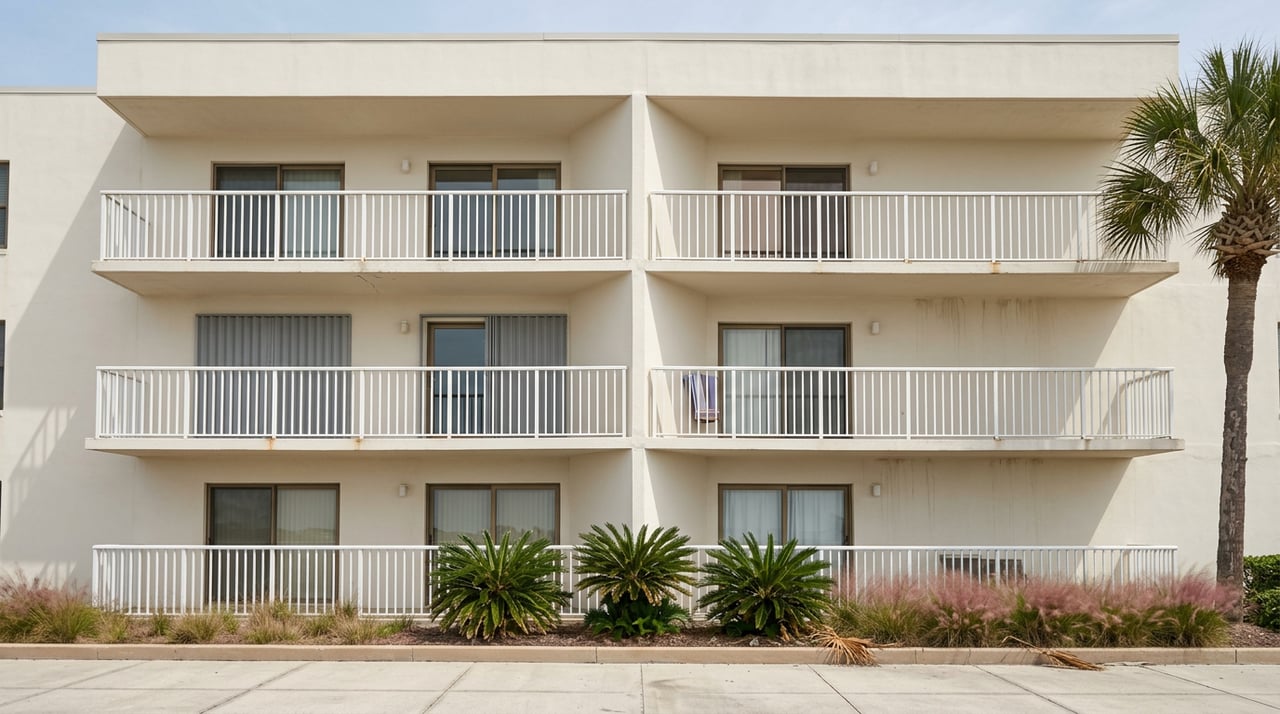
Most of Florida ties the milestone inspection trigger to 30 years of age, dropping to 25 years for buildings within three miles of the coast. Because most of Boca Raton east of I-95 sits inside that coastal buffer, the practical trigger for the majority of the city's older towers is 25 years, not 30. A building whose certificate of occupancy predates 2001 is very likely already inside its compliance window.
Boca Raton didn't stop at adopting the state minimum. City officials layered on their own inspection ordinance, which local reporting describes as more detailed than the state law, and it's a meaningful reason the city's filing rate outpaced some neighboring jurisdictions during the last cycle. That's a point worth making to an out-of-area buyer who assumes Florida condo oversight is uniformly loose. In Boca specifically, it isn't.
The tradeoff is that stricter local enforcement surfaces problems faster. A building that files early and gets flagged for Phase 2 review is not a red flag on its own. It's often a sign the process is working the way the city intended. The building that should worry a buyer more is the one with no filing on record at all, months past its window, the way El Cortijo Condominium in nearby Gulf Stream was still missing its report as of late November 2024. Buildings like that were the exception in south Palm Beach County even then, and the compliance track record since has only made a missing report a bigger warning sign for anyone shopping in a 2026 cohort building today.
What a Building's Compliance Status Costs You
The dollar figures attached to this process vary enough that a seller should know the range before a buyer's agent brings it up first.
| Item | Typical Range |
|---|---|
| Phase 1 inspection, mid-rise building | $3,000 to $8,000 |
| Phase 1 inspection, larger beachfront high-rise | $10,000 to $20,000+ |
| Special assessment tied to milestone/SIRS findings | $10,000 to over $100,000 per unit |
That special assessment range is wide for a reason. A building with healthy reserves and a Phase 1 report showing no substantial deterioration may never levy an assessment at all. A building that skipped reserve funding for years and lands in Phase 2 can face a bill in six figures per unit. The number that should actually change how a seller prices and times a listing isn't the inspection cost. It's whether an assessment has been discussed, voted, or is sitting unresolved in board minutes, because that's the figure a buyer's lender and insurer will both ask about before closing.
The Paperwork That Slows a Closing Now
Two changes to Florida's condo law tightened what a seller needs to have ready before a Boca Raton listing goes live.
Under Florida's 2024 condo governance law, associations with 25 or more units are now required to post governing documents, budgets, and reserve studies to a website. In practice, this should make records easier to pull. It hasn't always worked that way. Association management companies can be slow to respond to document requests, and a seller who waits until a buyer asks is adding weeks to a transaction that a little advance work would have avoided.
Buyers purchasing a resale condo unit also gained a longer rescission window than they used to have, giving them more time to review the documents a seller hands over before they're locked into the deal. That extra review time cuts both ways. It protects the buyer, but it also means a seller with a well-organized document package moves through that window faster than one who's still tracking down a milestone report the week before closing.
Before listing, a Boca Raton condo owner should have on hand:
- The building's most recent milestone inspection report, or confirmation of its scheduled date if not yet due
- The Structural Integrity Reserve Study, if completed, or its expected completion date
- Board meeting minutes from the past 12 to 24 months, specifically any discussion of assessments, loans, or major repairs
- Current master insurance certificates, including wind and flood coverage details
- Confirmation that the association's website disclosure requirements are met, if the building has 25 or more units
What This Means If You're Selling This Fall
A building that's fully recertified is a selling point now in a way it wasn't three years ago. Say so plainly in your listing conversation. A building that's filed but has an open Phase 2 item isn't automatically a deal killer, but it needs to be disclosed early and priced with the assessment range in mind rather than hoped away. The sellers getting the smoothest closings right now aren't the ones with the newest buildings. They're the ones who know exactly where their association stands and can hand a buyer's agent a complete file on day one instead of promising to get back to them.
If You're on the Buyer Side
Ask for recertification status specifically, not just whether a report was filed. Ask whether any assessment has been discussed by the board even if it hasn't been formally voted, since sellers are now required to disclose those conversations, not just approved assessments. And confirm the building's FHA or conventional lending approval status before you get attached to a unit, since financing terms on older buildings without full approval can be tighter than the sale price suggests.
Frequently Asked Questions
Does every condo in Boca Raton need a milestone inspection? Only buildings that are three or more habitable stories and have reached the age trigger, typically 25 years for buildings within three miles of the coast or 30 years elsewhere. Single-family homes, duplexes, triplexes, and shorter buildings aren't covered by this law.
If my building already filed its milestone report, is my sale in the clear? Filing means the visual inspection happened. It doesn't tell you whether repairs are complete or whether an assessment is coming. Ask your association directly whether the building has been recertified or whether Phase 2 findings are still being addressed.
Will a pending special assessment automatically lower my sale price? Not automatically, but it will factor into buyer negotiations and lender underwriting. A seller who discloses the full picture early, including reserve funding status and any board discussion of costs, tends to fare better than one who lets a buyer discover it mid-contract.
Selling or buying a condo in a building working through this compliance window doesn't have to mean guessing. The South Ocean Group works these transactions across Boca Raton and the surrounding coast every day, and knows which questions to ask an association before a listing ever goes live. Browse homes or get your free home value to start the conversation before the paperwork catches you off guard.