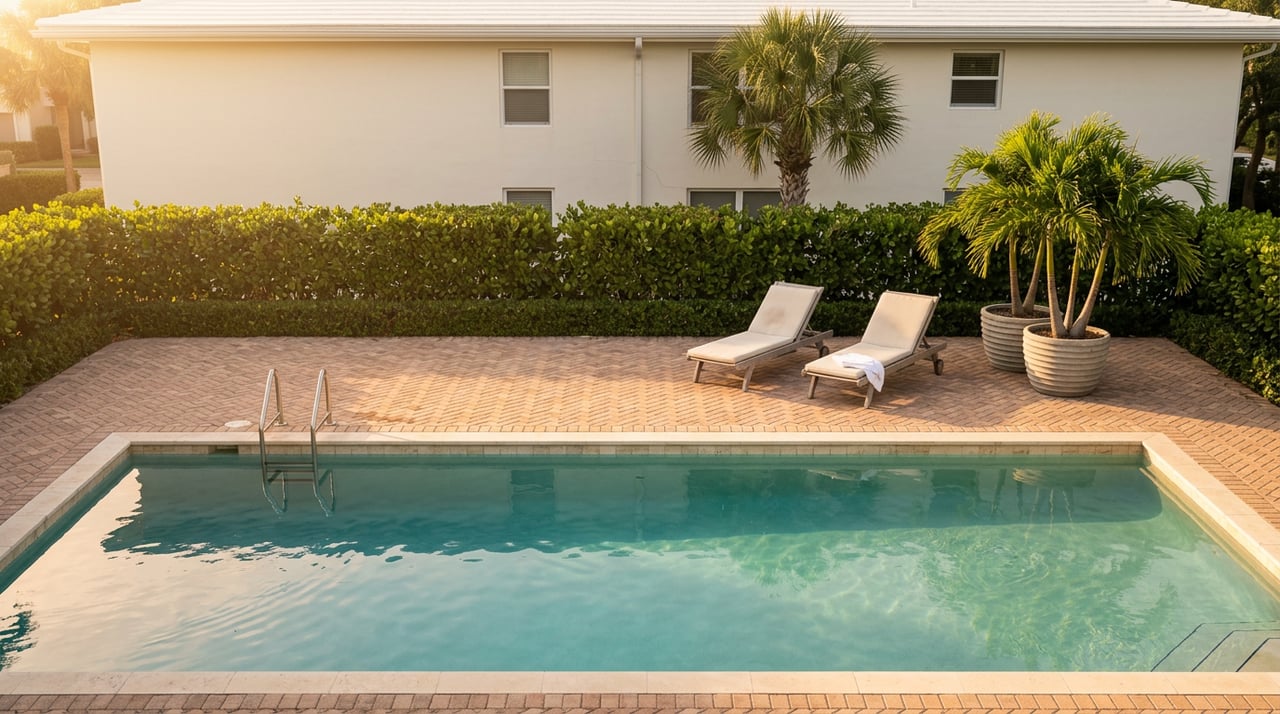
Wondering if a Delray Beach condo can give you the best of both worlds: a sunny seasonal home and a property you can rent when you are away? It can, but the answer often depends less on the unit itself and more on the building behind it. If you are weighing lifestyle, costs, and rental potential, this guide will help you focus on the details that matter most. Let’s dive in.
Why the building matters most
When you buy a condo in Delray Beach for part-time living, you are not just buying four walls. You are also buying into a condominium association with its own rules, financial obligations, and approval processes. That structure can shape how easy it is to use the condo seasonally, rent it out, and eventually resell it.
A beautiful unit in a restrictive building may not fit your goals as well as a simpler unit in a more flexible association. In Florida condos, the association controls common expenses and must use its best efforts to maintain adequate property insurance. Reserve funding, inspection status, and building financial health can all affect your monthly budget and your long-term confidence in the purchase.
Seasonal living starts with condo rules
If you plan to live in Delray Beach part of the year and rent out the condo at other times, the first step is to confirm that the association actually supports that pattern. Leasing flexibility is building-specific, and that means you need to review the condo documents early.
Some associations require board approval before a lease can begin. Some may have a right of first refusal. Florida law also allows transfer or lease application fees when the condo documents require approval and authorize the fee, with a cap of $150 per applicant for those approval-related fees.
Key rules to verify
Before you buy, ask for clear answers on these points:
- Whether leases are allowed at all
- Whether board approval is required before leasing
- Whether the association has a right of first refusal
- Whether there are transfer or lease application fees
- Whether there are restrictions on lease length or renewal terms
- Whether delinquent assessments could affect lease approval
These details may sound administrative, but they directly affect how practical the condo will be for your seasonal plan.
Common-area use can change when you rent
One point many seasonal buyers overlook is how use rights work during a lease. In Florida condos, when a unit is rented, the tenant generally gets the use rights to the association property and common elements that the owner would otherwise have, unless the tenant waives those rights in writing.
That matters if you picture coming back for a quick weekend while the unit is rented, or if you expect to share access in some way. An association may prohibit dual use by owner and tenant. It may also suspend use rights for rule violations or if the owner is more than 90 days delinquent on assessments.
Questions to ask about owner use
Be sure to confirm:
- Whether owners can access amenities during an active lease
- Whether guest use is limited when the tenant is in place
- Whether any written waiver options exist for tenant use rights
- How parking, storage, and amenity access are handled during rentals
For many buyers, this is where a condo shifts from “great in theory” to “great in practice.”
Carrying costs go beyond the mortgage
A seasonal condo budget in Delray Beach should include more than principal, interest, taxes, and insurance. Condo ownership comes with association costs that can change over time, especially in buildings addressing reserves, inspections, or repair work.
Monthly dues are the starting point, but they are not the full picture. Reserve funds and their interest generally must remain in reserve accounts and may only be used for authorized reserve expenditures. In buildings subject to structural integrity reserve study rules, reserve requirements are stricter.
Main condo cost categories
Here are the core expenses to review:
- Monthly association dues
- Reserve contributions
- Special assessments for repairs or inspections
- Association insurance costs
- Fidelity bonding costs tied to association fund control
- Transaction and administrative fees
- Your own insurance exposure, including flood and wind considerations
The City of Delray Beach’s building-code resources also point buyers to FEMA flood maps and Florida wind-insurance resources. That is a useful reminder that weather-related insurance exposure should be part of your condo review, especially if you are comparing buildings with different locations and construction profiles.
Inspections and reserves affect affordability
Florida’s condo rules have made building condition and reserve planning a much bigger part of the buying conversation. For residential condominium buildings that are three habitable stories or higher, a structural integrity reserve study is required. Depending on the building and timing, that may mean recent or ongoing financial changes that affect owners.
Associations that must complete a structural integrity reserve study generally cannot freely waive or reduce reserve funding for covered items after Dec. 31, 2024, except in narrow statutory circumstances. For you as a buyer, that means today’s dues may not tell the whole story unless you also understand reserves, inspections, and pending repairs.
Documents to request early
For a resale condo purchase, buyers are entitled to important records. Ask for these as early as possible:
- Declaration
- Articles of incorporation
- Bylaws
- Rules and regulations
- Annual financial statement
- Annual budget
- Milestone inspection summary, if applicable
- Most recent structural integrity reserve study, if applicable
- Turnover inspection report, if applicable
These documents can help you spot whether the building is well organized and whether its policies align with seasonal use and rental goals.
Delray Beach rental rules matter
If you plan to rent your condo, city compliance is part of the decision. Delray Beach requires a landlord permit for residential rentals. According to the city’s instructions, leases, subleases, or other occupancy agreements should not become effective until the city approves the application.
The permit runs from November 1 through October 31 and costs $75 per rental unit. The fee is not prorated, and late renewal can trigger triple fees. The city also requires a copy of the lease, allows inspections, and says changes to lease arrangements must be reported within 30 days.
Delray Beach permit basics
If you expect to rent the condo, plan for these local requirements:
- Obtain the city landlord permit before the rental becomes effective
- Budget for the $75 per unit permit fee
- Renew on time to avoid higher costs
- Provide a copy of the lease to the city
- Report lease changes within 30 days
- Be prepared for city inspections
The city also states that the rental must comply with housing and zoning rules. For occupancy planning, the city says no more than three unrelated persons may reside in a unit.
Short-term rentals have tax steps too
For Palm Beach County, rentals of 6 months or less are treated as transient rentals. That means they are subject to a 6% Tourist Development Tax in addition to Florida state sales tax, which the county page lists at 6.5%.
The county requires registration of a Tourist Development Tax account, and vacation rentals also need a short-term rental local business tax receipt. Monthly reporting is due on the 1st, and accounts become late after the 20th.
What seasonal landlords should plan for
If your rental period is 6 months or less, be ready to:
- Register for a Tourist Development Tax account
- Collect and remit the required taxes
- Obtain the applicable local business tax receipt for vacation rentals
- File monthly reporting on time
- Keep clear records for each rental period
Palm Beach County also says the host, not the booking platform, is responsible for collecting and remitting the tax. In other words, rental income projections should always be paired with a realistic plan for operations and compliance.
Resale value is tied to clarity
A condo that works well for seasonal living today should also be understandable to a future buyer. Buildings with clear lease policies, completed inspection documents, and disciplined reserve planning are often easier to explain during resale than buildings with unresolved questions.
That does not guarantee appreciation, but it can reduce uncertainty. When buyers understand the rules, the costs, and the building’s condition, they can make decisions with more confidence.
Florida’s resale-document requirements now make this even more important. Buyers are entitled to governing documents and financials, and if applicable, milestone inspection summaries, the most recent reserve study, and turnover inspection reports. For contracts entered after Dec. 31, 2024, required contract language and document delivery rules also play a larger role in the resale process.
How to shop smarter in Delray Beach
If you are comparing Delray Beach condos for seasonal use and rental potential, try looking at each option through three lenses at once: lifestyle fit, building fit, and compliance fit. That approach can keep you from overvaluing finishes while missing the rules and costs that shape ownership.
A smart search often comes down to a few practical questions:
- Can you use the condo the way you want during the year?
- Can you legally and smoothly rent it when you are away?
- Can you comfortably carry the dues, reserves, and possible assessments?
- Will the building’s documents and financial picture make future resale easier to navigate?
When those answers line up, a Delray Beach condo can be a strong option for both personal enjoyment and rental potential.
If you want help comparing condo buildings, reviewing seasonal-living goals, or narrowing down options in Delray Beach, The South Ocean Group offers hands-on local guidance with a boutique approach.
FAQs
What makes a Delray Beach condo good for seasonal living?
- A good fit usually has condo rules, lease policies, common-area use rights, and carrying costs that match how you plan to use the property during the year.
What rental rules should buyers check in a Delray Beach condo building?
- You should check whether leases are allowed, whether board approval is required, whether there is a right of first refusal, and whether transfer or lease fees apply.
Does Delray Beach require a permit for condo rentals?
- Yes. Delray Beach requires a landlord permit for residential rentals, and the city says the lease or occupancy agreement should not become effective until the application is approved.
Are short-term condo rentals taxed in Palm Beach County?
- Yes. Rentals of 6 months or less are subject to a 6% Tourist Development Tax in addition to the 6.5% Florida state sales tax listed by the county.
Why do condo reserves and inspections matter for Delray Beach buyers?
- Reserves and inspection status can affect monthly costs, special assessments, long-term affordability, and how easy the condo may be to resell later.
What documents should buyers request for a Delray Beach resale condo?
- Buyers should request the declaration, articles, bylaws, rules, annual financial statement, annual budget, and when applicable the milestone inspection summary, most recent structural integrity reserve study, and turnover inspection report.