If you are deciding between beachside or downtown living in Delray Beach, you are really choosing between two very different daily rhythms. One gives you a denser, more walkable setting with easy access to dining, events, and public parking. The other leans into a lower-scale residential feel with quick access to the shoreline and a more beach-centered lifestyle. This guide will help you compare both so you can focus on the part of Delray Beach that fits the way you want to live. Let’s dive in.
Downtown Delray Beach at a Glance
Downtown Delray Beach centers on the city’s Central Business District, or CBD. According to the city, this area exists to preserve and protect downtown’s cultural and historic character while also supporting vitality and economic growth. Within that district, the city includes several sub-districts, including the Central Core and the Beach sub-district.
If you picture a more active, mixed-use environment, downtown is likely what comes to mind. The city’s land-use documents describe the Commercial Core as a traditional, self-sufficient downtown with a balanced mix of uses. The Central Core also allows the highest residential density in the city, which supports a more compact, pedestrian-oriented pattern.
Beachside Delray Beach at a Glance
Beachside Delray Beach refers to the eastern end of Atlantic Avenue between the Intracoastal Waterway and the Atlantic Ocean, along with nearby residential areas shaped by the city’s beach planning and design guidelines. The city’s master plan describes the Beach District as a regional beach destination. That gives the area a different feel from downtown right away.
While downtown is designed for more intensity and mixed use, beachside is more limited in scale. The Beach sub-district caps residential development at 12 dwelling units per acre because it sits in the Coastal High Hazard Area. The city also maintains a Beach Property Owners Design Manual to preserve the unique residential character of North Beach, Seagate, and the Ocean neighborhoods.
How Housing Styles Compare
Downtown homes and buildings
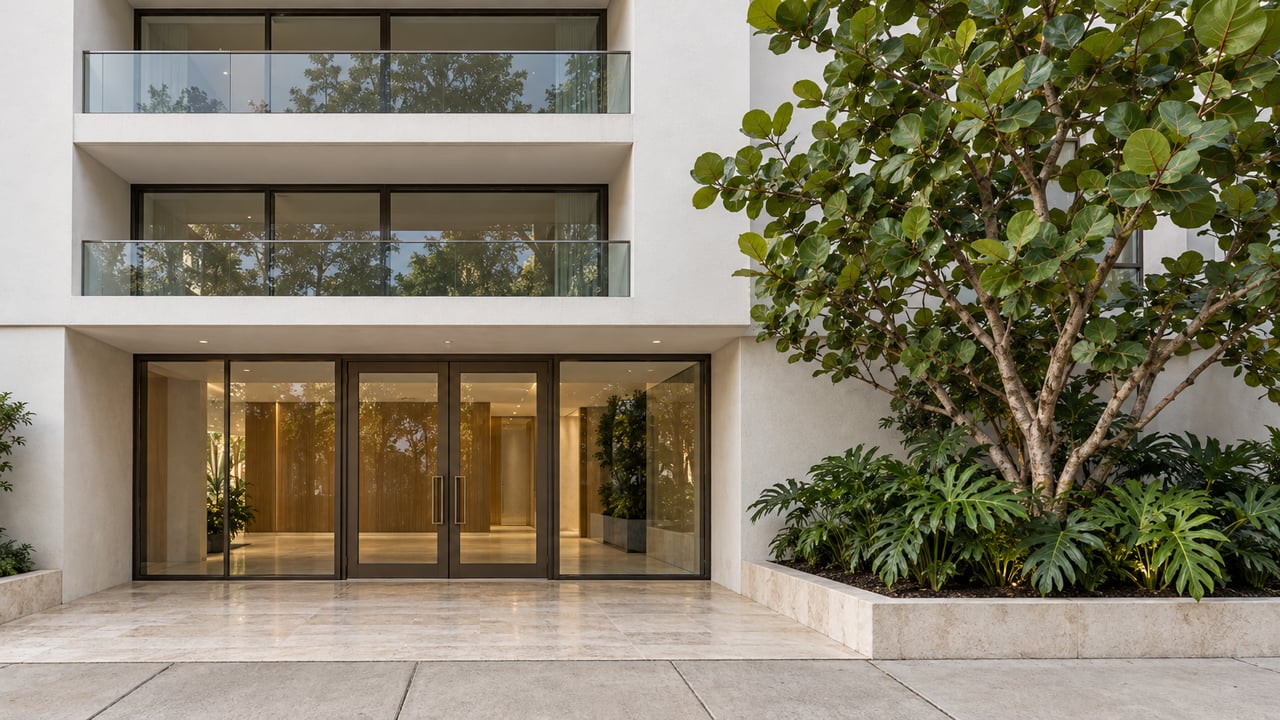
If you want a condo, townhouse, or residence close to restaurants and daily activity, downtown may feel like the stronger match. The city points to mixed-use buildings with residential units above ground-floor commercial space as a common downtown pattern. It also cites residential infill near East Atlantic, including a 35-townhouse example at Town Square.
That does not mean every downtown home looks the same. It does mean you should expect a denser built environment, a stronger mix of residential and commercial uses, and a more urban feel by Delray Beach standards.
Beachside homes and streets
Beachside tends to feel more residential and lower scale. The city’s design manual says North Beach and Seagate typically have smaller lots, a mix of one- and two-story houses, many Intracoastal lots, and limited use of walls and gates. In the Ocean District, the pattern shifts toward larger lots, direct ocean frontage, and predominantly two-story houses.
For buyers who want a house-oriented setting, this difference matters. Not all beachside areas feel identical, so your experience can vary depending on whether you are looking closer to North Beach and Seagate or farther into the Ocean District.
Walkability and Getting Around
Why downtown feels easier without a car
Downtown has the city’s most structured parking network. The city offers public parking in on-street spaces, garages, and lots, with payment by ParkMobile or kiosk. It also has resident-oriented permit programs for certain downtown garages, surface lots, and side streets.
Downtown also benefits from the city’s free on-demand ride service, Freebee. The service covers most of the area east of I-95 to A1A and from Gulfstream Boulevard to SW 10th Street, with rides to the beach, boutiques, dining, galleries, and the Tri-Rail station. Put together, these programs suggest downtown is generally the easier choice if you want more day-to-day convenience without depending as heavily on your car.
What beachside access looks like
Beachside parking is more centered on coastal access. The city’s annual Beach Parking Permit applies to certain city-owned lots, including Sandoway Park, Anchor Park, Ingraham Park, Orange Grove, and Atlantic Dunes North and South. The city also lists on-street beach parking on A1A from Casuarina Road to Beach Drive.
That setup works well if the beach itself is a big part of your routine. Compared with downtown, though, the transportation and parking structure is more tied to shoreline access than to a broad everyday errand network.
Lifestyle Differences You Will Feel Daily
Downtown lifestyle and amenities
If you like having more choices close by, downtown stands out. The Downtown Development Authority highlights shopping, dining, happy hour, wellness, events, and arts as part of the downtown experience. Old School Square is described as downtown’s cultural heartbeat, with contemporary art, concerts, creative classes, a fine art museum, an art school, event spaces, and an outdoor stage.
This is the side of Delray Beach that often suits buyers who want energy, variety, and a stronger events calendar. If your ideal day includes walking to coffee, dinner, or a local event, downtown may fit naturally.
Beachside lifestyle and access
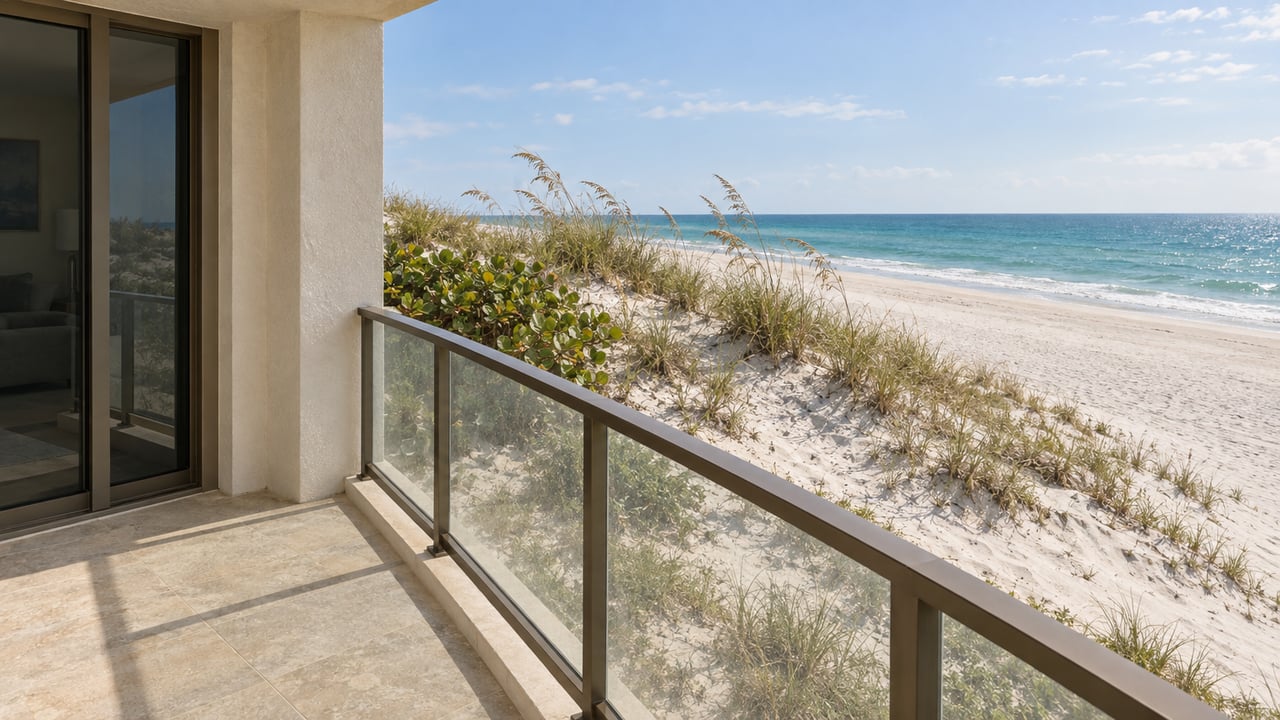
Beachside living is more about proximity to the water and a coastal routine. The city notes that retail along East Atlantic between the Intracoastal and the ocean caters largely to the tourist market, with bars and restaurants along the corridor. For direct shoreline access, Delray Beach has two public beaches within city limits: the Municipal Beach at Atlantic Avenue and Atlantic Dunes Park.
The Municipal Beach also offers features such as cabana rentals, an elevated pavilion, and an access mat at Atlantic Avenue and A1A. If your priority is being near the sand, the ocean, and a more beach-centered pace, that can outweigh the appeal of downtown density.
Which Area Fits Your Priorities?
Choosing between downtown and beachside often comes down to how you want your day to feel.
Downtown may be right for you if you want:
- Higher-density residential options
- Mixed-use living near shops and restaurants
- More structured parking choices
- Easier access to events, arts, and dining
- A more walkable, pedestrian-oriented setting
- Day-to-day convenience with less reliance on your car
Beachside may be right for you if you want:
- Lower-scale residential streets
- A more house-oriented setting
- Fast access to the beach
- A quieter feel than the denser downtown core
- Beach parking options tied to city-owned coastal lots
- A lifestyle centered more on the shoreline than the event calendar
A Quick Side-by-Side Comparison
| Feature | Downtown Delray Beach | Beachside Delray Beach |
|---|---|---|
| General feel | Denser, mixed-use, pedestrian-oriented | Lower-scale, more residential, beach-oriented |
| Housing pattern | Condos, townhomes, mixed-use residential | One- and two-story houses, some larger oceanfront lots |
| Density | Highest residential density in the city in the Central Core | Capped at 12 dwelling units per acre in the Beach sub-district |
| Parking | On-street, garages, lots, resident permit programs | Beach lots, permit-based coastal parking, A1A on-street parking |
| Transportation | Freebee service and Tri-Rail connection | More focused on beach access |
| Amenities | Dining, shopping, arts, events, wellness | Beach access, coastal corridor restaurants and bars |
| Best fit | Buyers who want convenience and activity | Buyers who want a quieter coastal routine |
The Best Choice Depends on Your Version of Delray Beach
There is no one right answer between downtown and beachside living in Delray Beach. The better choice depends on whether you picture yourself living in the middle of a walkable coastal downtown or in a lower-scale area where the beach shapes your routine.
If you are relocating, buying a second home, or simply narrowing your search, it helps to compare these areas in person and talk through what matters most to you. The right fit usually becomes clearer when you match the neighborhood’s layout and lifestyle to your everyday habits, not just your wish list.
Whether you want a condo near Atlantic Avenue, a townhouse close to downtown amenities, or a home closer to the shoreline, The South Ocean Group can help you explore Delray Beach with local insight and a personalized approach.
FAQs
What is the difference between downtown and beachside living in Delray Beach?
- Downtown Delray Beach offers a denser, more mixed-use setting with dining, arts, events, garages, and structured parking, while beachside Delray Beach is generally lower scale, more residential, and more centered on beach access.
Is downtown Delray Beach more walkable than beachside?
- Based on the city’s parking and transportation programs, downtown appears to be the more car-light option for everyday errands because it has public garages, lots, on-street parking, resident permit programs, and the Freebee on-demand ride service.
What kinds of homes are common near downtown Delray Beach?
- Downtown housing patterns include higher-density residential options such as condos, townhomes, and mixed-use buildings with residences above ground-floor commercial space.
What kinds of homes are common in beachside Delray Beach?
- Beachside areas include lower-scale residential streets with one- and two-story houses, smaller lots in North Beach and Seagate, and larger lots with more ocean-oriented homes in the Ocean District.
Which Delray Beach area is better for beach access?
- Beachside is the better fit if direct access to the shoreline is your priority, with public access at the Municipal Beach and Atlantic Dunes Park plus parking options tied to beach use.
Which Delray Beach area is better for dining and events?
- Downtown is typically the stronger choice if you want a broader mix of shopping, dining, arts, wellness, and events close to home.